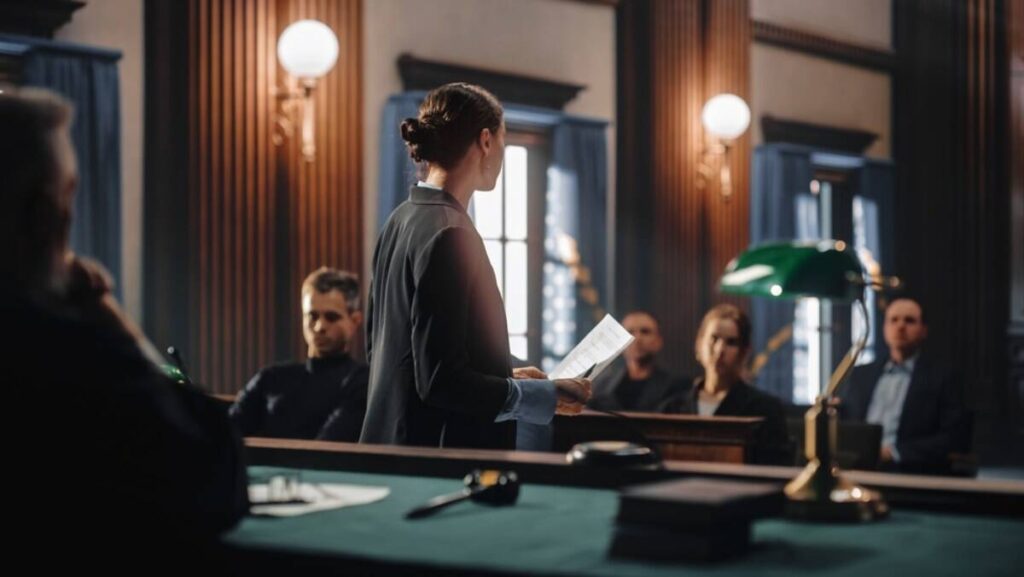
If someone is abusing, threatening, stalking or harassing you, a court order can require them to stay away, stop contact and, in some cases, leave the home and surrender firearms. Maryland and D.C. use different orders for different relationships. We file the petition, get you temporary relief the same day where the facts allow, and represent you at the final hearing. We also defend people who have been served with an order.
Restraining, protective and peace orders
“Restraining order” is the everyday term. In Maryland the orders are the Protective Order and the Peace Order; in D.C. it is the Civil Protection Order (CPO). Which one applies depends on your relationship to the other person.
Protective order (Maryland)
For abuse by a spouse, ex, intimate partner, relative, someone you live with, someone you share a child with, or in cases of sexual assault. After a petition and hearing, the order can include stay-away and no-contact terms, temporary custody, financial support, exclusive use of the home and a firearms ban.
Peace order (Maryland)
For everyone else: neighbors, co-workers, strangers. It covers harassment, stalking, threats, trespass, revenge porn and malicious destruction of property. You cannot file a peace order if the relationship qualifies for a protective order.
Civil protection order (D.C.)
For intrafamily relationships (spouses, domestic partners, cohabitants, people with a shared child) and for victims of sexual assault, with non-domestic and anti-stalking provisions for others. It can require the respondent to stay away, cease contact and surrender firearms, and can award temporary custody of children, costs and attorney fees.
You can file on your own. The risk is at the hearing, where the other side may be prepared to attack your credibility. That is where representation matters.
When you can file
- Protective order (MD). Physical abuse, threats, sexual assault, or reasonable fear for your safety from a spouse, ex, parent, child, roommate, co-parent or romantic partner.
- Peace order (MD). Harassment, stalking, threats, property damage or invasion of electronic or sexual privacy by a non-family member. The act must have occurred within the past 30 days.
- CPO (D.C.). Abuse, threats, stalking or property damage by a family or household member, or sexual assault by anyone. Evidence is required.
How long orders last
- Temporary CPO (D.C.). Up to 14 days, renewable.
- Final CPO (D.C.). Issued after a full hearing, for up to two years, extendable.
- Protective order (MD). Set by the court, usually one year, extendable for cause.
- Peace order (MD). Up to six months.
Penalties for violating an order
- Contempt of court. Jail, fines or both.
- Criminal charges. In both Maryland and D.C., violating a protective or peace order is a crime carrying possible jail time.
- Firearms. Possessing a weapon while under a firearms ban brings additional state and federal charges.
Neighbor disputes
Boundary lines, noise, trees, parking. These start small and escalate. Not every dispute needs a court order: negotiation or mediation resolves many of them, and we offer both. If that fails, a peace order or civil litigation is the next step.