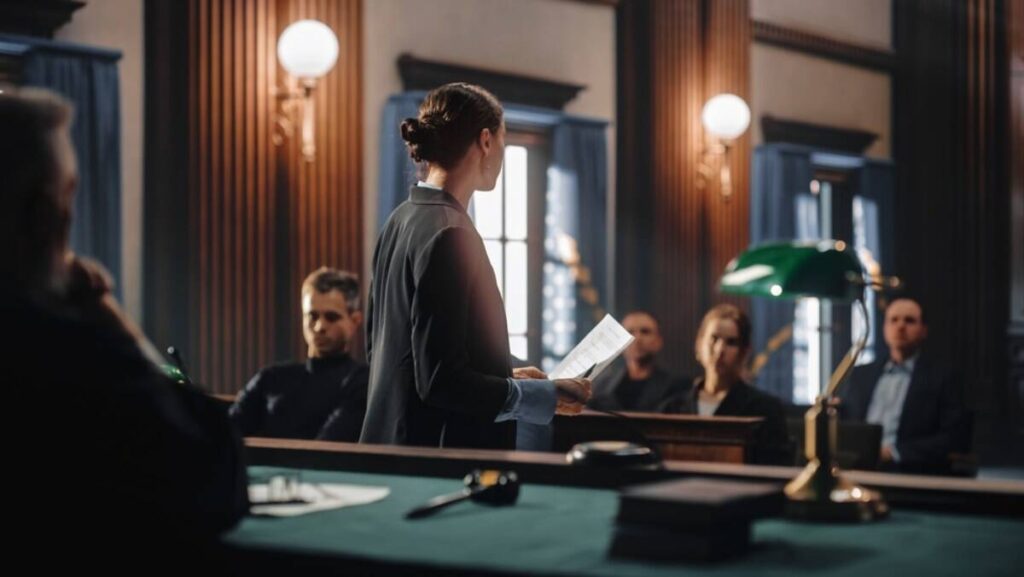
A civil protection order is the D.C. court order that keeps someone away from you: no contact, out of the home, firearms surrendered. D.C. uses one order where Maryland uses two, and the rules on who qualifies, how long it lasts and what it can require come from the D.C. Code, not Maryland law.
Who can ask for one
D.C. covers family and household relationships, current and former intimate partners, and people who share a child. It also reaches sexual assault, sexual abuse and stalking by someone outside those relationships.
The temporary order
- Ask on the day you file. A temporary protection order is requested with the petition. The judge decides that day, or the next court day if you file late.
- It lasts up to 14 days. Long enough to serve the other side and hold the hearing. The court can extend it in 14-day steps, or up to 28 days for good cause.
- Firearms go immediately. A temporary order must require the respondent to surrender any firearms and ammunition.
The hearing and the final order
The hearing on a final order is held while the temporary order is in force. A final civil protection order can last up to two years. Either side can ask the court to extend, change or end it for good cause; an extension beyond two years needs a violation, a prior order against the same person, or another compelling reason tied to your safety.
What a D.C. order can require
- No contact, and staying away from you, your home, work or children
- Leaving a shared home, or not entering it
- Returning personal property
- Temporary custody of children, and visitation with conditions
- Counselling or treatment
- Surrendering firearms and ammunition
- Orders about pets
- Paying court costs and attorney fees
Child and spousal support are not on the statute’s list.
If you have been served
Do not contact the person who filed, even to explain. The hearing is where you answer the petition, and a temporary order can already restrict where you live and when you see your children. Some cases resolve by agreement before a hearing. Either way, come with a lawyer.
Where the case is filed
Petitions go through the Domestic Violence Intake Center at the D.C. Superior Court on Indiana Avenue NW, or the satellite center in Southeast. You can file up to three years after the incident, though waiting can make it harder to show you need protection now.