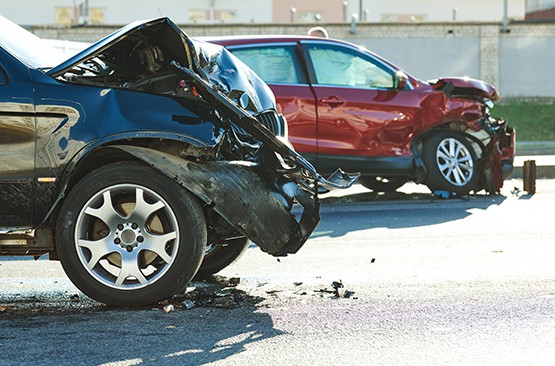
Most of us get in a car, on a bus or onto a train every day without thinking about it. When one of those trips ends in a crash, what you do in the first hours matters more than anything that happens later.
Maryland and D.C. roads
The Maryland Highway Safety Office’s 2018 annual report counted more than 550 deaths in 115,266 police-reported crashes in 2017: 268 vehicle drivers, 79 motorcyclists, 130 pedestrians and cyclists and 81 passengers. More than 51,000 people were injured. D.C. adds its own share; a two-car crash on Alabama Avenue SE in January 2020, near the Congress Heights Metro, killed two people, with speed and a red light reported as factors.
If you are in a crash, in the District or anywhere else:
- Stay at the scene.
- Check that everyone is all right, if you can.
- Call 911 and get a police report.
- Report it to your insurer.
- Get medical attention as soon as possible, even if you feel fine.
- Photograph the scene and the damage if it is safe to.
- Talk to a lawyer before you give the other driver’s insurer a statement.
Bus crashes
The Federal Motor Carrier Safety Administration’s Large Truck and Bus Crash Facts 2017 counted more than 980,000 registered buses in the United States and roughly 15,000 bus crashes that injured about 25,000 people that year. You can be hurt as a passenger on the bus, in another vehicle, or as a pedestrian or cyclist the bus hits. In every case, see a doctor, document the scene, and make sure the crash is reported.
A bus accident claim in Maryland can turn on a one-year notice
Many buses in Maryland are run by a public body, and a claim against one starts with a written notice, not a lawsuit. Miss the deadline and the claim can be lost before it begins.
- MTA buses. Written notice of the claim goes to the Maryland Transit Administration within one year of the injury. A lawsuit can follow only once the claim is denied, or six months pass without an answer, and it must be filed within three years.
- County and city buses. The Local Government Tort Claims Act also requires written notice within one year, stating the time, place and cause of the injury, delivered in person or by certified mail.
- Private operators (charter, tour and many contract services). No special notice; the usual three-year limit for injury claims applies.
Which rule applies depends on who runs the bus, and that is not always the name painted on the side. Get advice early.
Train accidents are not only derailments
The National Transportation Safety Board’s report on the January 12, 2015 L’Enfant Plaza incident is the local example: a WMATA train carrying about 380 passengers was stranded in a smoke-filled tunnel after a loss of power to the third rail. Some passengers evacuated themselves, others were brought out by first responders. Ninety-one people were injured and one died. Passengers, motorists at crossings and pedestrians can all be victims, and the operator is usually a large corporation or a government body. Proving negligence against them is technical work.
Where a lawyer comes in
Maryland and D.C. both apply contributory negligence: if the other side can show you were partly at fault, the claim can fail. Evidence collected early is the answer to that. See the car accident and personal injury pages for how the firm handles these claims.
If you want to talk it through, request a consultation or call 301-576-6200.
This guide is general information about Maryland and D.C. law, not legal advice about your situation. For advice, talk to the firm.